Showing 10 results from a total of 354
September 7, 2026 | Issue 79
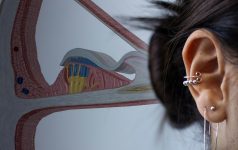
Your ear can detect movements smaller than atoms and turn them into music, voices and laughter. How does it work?
Ages: 14-16; Topics: Biology, Health
September 7, 2026 | Issue 79
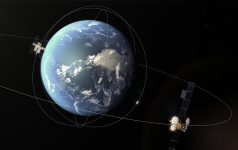
Over 15 000 satellites are currently orbiting Earth. Do you know what it takes to keep them up there?
Ages: 11-14, 14-16, 16-19; Topics: Astronomy / space, Engineering, Physics, Sustainability
June 11, 2026 | Issue 78
Most people know that the Moon and the Sun cause the tides, but few understand why we get two high tides each day, or why a tidal bulge forms on the opposite side of the Earth from the Moon.
Ages: 11-14, 14-16; Topics: Earth science, Physics
June 11, 2026 | Issue 78
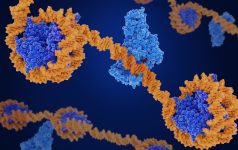
Our DNA is the blueprint of life, but epigenetics interprets how it is read. Learn how epigenetics controls our genes, enables life and shapes who we are.
Ages: 14-16, 16-19; Topics: Biology
April 2, 2026 | Issue 77
X-ray light does not only enable us to look at our bones, it also helps scientists to analyse tiny molecules that make up all living things.
Ages: 11-14; Topics: Biology, Chemistry, Engineering, News from the EIROs, Physics
April 2, 2026 | Issue 77
Invisible soap, heavy water and a research reactor come together to provide enlightening insights into how plants and bacteria turn light into food.
Ages: 11-14, 14-16, 16-19; Topics: Biology, Chemistry, Earth science, News from the EIROs, Physics, Sustainability
April 2, 2026 | Issue 77
What makes emerald green fade in famous paintings? Scientists at ESRF study how colours fade.
Ages: 11-14, 14-16, 16-19; Topics: Chemistry, News from the EIROs, Physics
February 3, 2026 | Issue 76
A new short film explores the science behind gene therapies, with the help of five leading experts in the field and a unique, stop-motion animation.
Ages: 14-16, 16-19; Topics: Biology, Health
February 3, 2026 | Issue 76
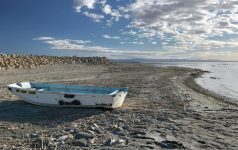
Every tide tells a story. Discover how waves, shells, and even litter reveal clues about marine life and our shared connection with nature.
Ages: 11-14, 16-19, 14-16; Topics: Biology, Earth science, General science
November 13, 2025 | Issue 75
How tiny quantum particles dig into the mysteries of future materials.
Ages: 16-19; Topics: Engineering, Physics, News from the EIROs